Depression
School Nurse’s Mental Health Toolkit
Depression is a mood disorder that affects how we think, feel, and act. It can be described as overwhelming sadness that persists, interfering with everyday life.
ASK
 Depression can be associated with suicidal thoughts, plans, or attempts. One caring adult can save a life! There is NO EVIDENCE that asking about suicide increases its risk. Don’t wait to take action!
Did you know?
- Risk factors for depression include a family history of depression, stress, co-existing mental health disorders, and chronic medical illnesses.
- Younger students present more often with physical complaints such as chronic abdominal pain and recurrent headache.
- Black youth are less likely to seek help and less likely to remain in counseling
- LGBTQ+ youth are SIX times more likely to be depressed.

School nurses can do a lot to help depressed students.
Quick Strategies
- Approach with curiosity, not judgment.
- Ask open-ended questions.
- Offer hope.
Signs
For at least two weeks, students may experience:
- Excessive sadness (may see irritability or anger).
- Loss of interest in activities.
- Change in appetite, may see weight loss or gain.
- Sleeping too much or too little.
- Feeling restless or hard to get moving.
- Fatigue and trouble concentrating.
- Feelings of guilt or low self-esteem.
- Thoughts of death or dying.
Thoughts:
- Circular negative thinking: “I’m not good enough, nothing is going to get better.”
- Emptiness or numbness. A lack of joy.
- Suicidal thoughts: “It’s not worth it to go on.”
Actions:
- Dropping out of activities
- Not spending time with family or friends.
- Staying in their room at home.
- Self-harm.
Behaviors noticeable to others:
- Distancing, withdrawal, acting out.
- Change in friend groups or isolation.
- Concerning social media activity.
- Decline in hygiene or no longer caring about appearance.
- Changes in eating habits.
Academic changes:
- Skipping classes
- Acting out in class.
- Falling asleep in class.
- Decline in academic performance.
- Difficulties concentrating.
Strategies
Approach with curiosity, not judgment.
Ask open-ended questions.
“I have seen changes that make me wonder about you. Are you doing OK? How are you feeling?”
“I see you are really struggling. Is there anything you would like to talk about?”
“I have heard others say “I just want the pain to go away” – how about you?”
Offer hope. Share information about depression. If you suspect a student may be depressed, you can tell the student:
Depression is common but not normal. Depression changes how we think, feel, and act.
Depression can cause physical changes.
Depression is treatable. Therapy, learning new skills, and sometimes medication can help depression.
Encourage the student to share how they are feeling with peoplethey trust.
Depressed students need support, but may not let people know how they are feeling. Encourage students to let trusted friends, caregivers, teachers, and medical providers know how they are feeling.
Notify appropriate school staff if you’re concerned about the severity of the student’s depression or suspect the student is suicidal.
Know your school’s protocol and crisis team before a crisis, and follow up after referral.
Communicate with caregivers and providers.
Encourage families to contact medical providers
about your concerns so they can collaborate to make
a treatment plan.
Visit Bridge2ResourcesVA.org or scan the code to
help families identify local mental health resources.
Cognitive Behavioral Therapy
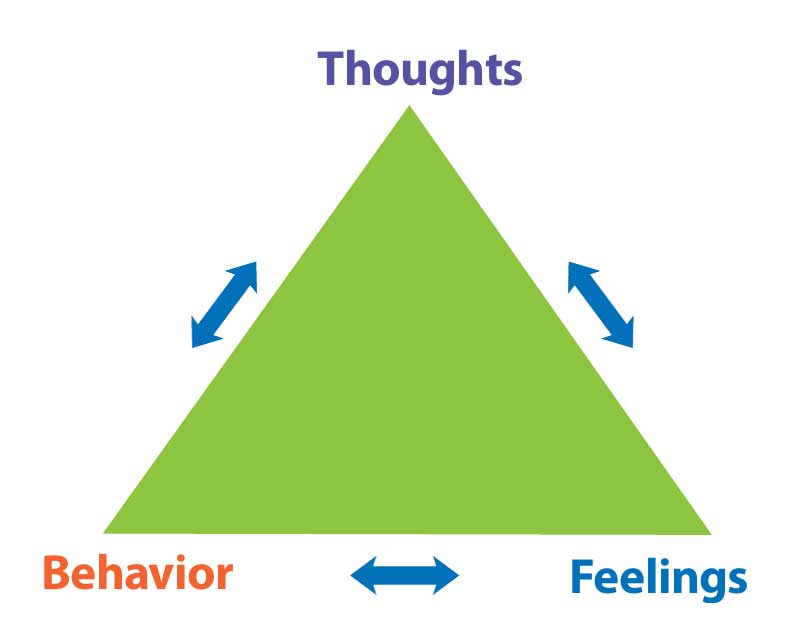
- Cognitive behavioral therapy explores the connection between feelings, thoughts, and behaviors. If we can recognize these interactions, we can figure out ways to feel better when we are experiencing distress.
- Teach calming methods to relax the mind and body. See Coping and Relaxation Techniques on page 19 for more information.
- Change your behavior or environment. Go outside, find a friend, listen to music, draw, or move the body (shoot baskets, kick a soccer ball, or walk).
- Create a toolbox. Help them write down strategies that work. What can the student do the next time they feel sad
- Explore ways to create healthy routines. Getting adequate sleep and nutrition, reducing screen time or social media use, exercise, or increasing free time and friend time matters to well-being.
- Follow school protocols for mental health referrals when depression is moderate or severe, or has been occurring for longer than two weeks.
Helpful cognitive behavioral strategies for depression are gifts that a nurse can give students in the moment. They include:
Thoughts
Depression is associated with negative thoughts and core beliefs such as, I am unlovable, I am worthless, and I am helpless.
Changing thoughts can help change feelings and behaviors (see CBT triangle below). Some questions that can help students “put their negative thoughts on trial” are:
- “Is this thought helping or hurting me?”
- “What is the evidence for and against the thought?”
- “Is there a more helpful and realistic thought?”
- “What would my friends say?”
Feelings
Encourage students to cope with feelings of immediate sadness by doing something that is fun and distracting, soothing and relaxing, or that expends energy.
- Increase pleasurable activities.
- Teach the student: depression may tell you to stay home by yourself, but put yourself into positive situations even if you don’t feel like it and see what happens.
- What does the student like to do? Help the student identify and schedule fun: exercise, art, music, writing, group or family activities.
Behavior
Unpleasant situations, interpersonal conflicts, and stressors can contribute to depression. If these things are under the student’s control, encourage problem solving. Key steps for problem solving are:
- Problem Identification (what is the problem?)
- Identify Choices (what choices can I make?)
- Consequences (what might happen if I make that choice?)
- Choose a Solution (make a decision and go!)